
Seoul Tightens Crypto Oversight: All Transfers Now Subject to Travel Rule
South Korea removes the previous reporting threshold, requiring user identity verification for every digital asset transfer.
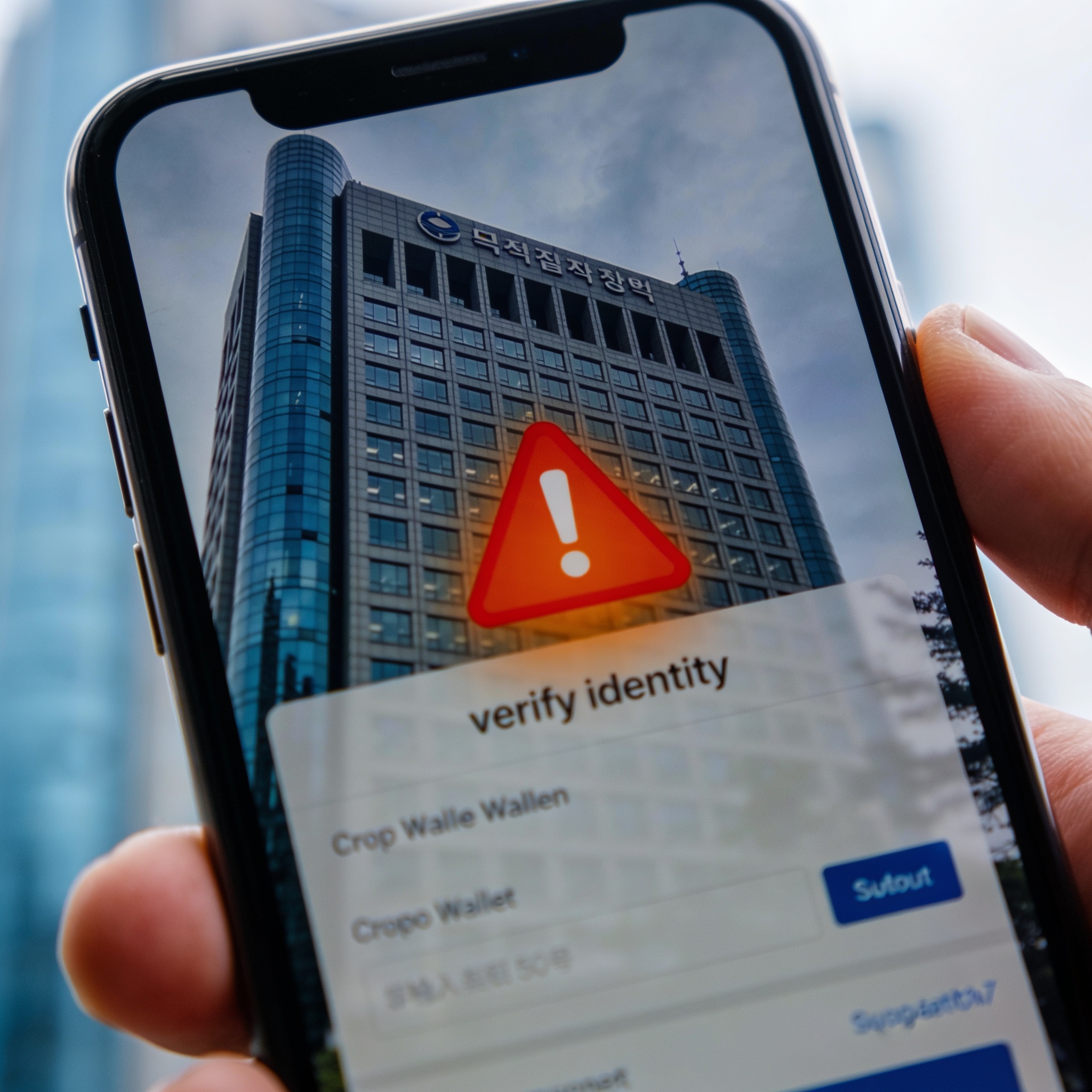
New Compliance Era for Korean Crypto Users
South Korea's financial regulator has eliminated the minimum transaction amount that previously exempted smaller crypto transfers from the Travel Rule. Effective immediately, all digital asset movements—regardless of value—must include verifiable sender and receiver information. The move aims to close loopholes that allowed micro-transactions to bypass anti-money laundering (AML) checks.
Under the previous framework, transfers below 1 million won (roughly $750) were not subject to identity reporting. Industry observers say this threshold had been widely exploited for structuring, a technique where illicit actors split large sums into multiple small transfers to avoid detection. By removing the floor, the Financial Services Commission (FSC) signals a zero-tolerance approach to anonymous crypto flows.
What This Means for Exchanges and Users
- Mandatory KYC for all transfers: Both sending and receiving addresses must now be linked to verified identities on Korean exchanges.
- Operational burden on platforms: Smaller exchanges may struggle to implement real-time identity checks for micro-transactions, potentially consolidating market share among larger players.
- Increased friction for retail traders: Routine transfers—even small payments or tips—will require additional verification steps, likely slowing transaction speeds.
The regulatory shift aligns South Korea with the strictest interpretation of the Financial Action Task Force (FATF) recommendations. According to local reports, the FSC is also exploring real-time monitoring systems that could flag suspicious patterns across all transaction sizes. While officials argue the rule bolsters financial integrity, crypto advocates warn it could drive users toward unregulated peer-to-peer platforms or overseas exchanges not subject to Korean law.
“This isn’t just about catching criminals—it’s about reshaping the entire crypto ecosystem in Korea to mirror traditional banking transparency,” commented a Seoul-based blockchain policy analyst, speaking on condition of anonymity.
The broader impact remains uncertain, but neighboring countries like Japan and Singapore are closely watching Seoul’s experiment. If successful, the zero-threshold Travel Rule could become a template for other jurisdictions seeking to tame crypto anonymity without outright banning digital assets.